

Tibet Travel Itinerary, Plan a Trip in Tibet
Tibet is a vast and beautiful land, situated on the majestic Qinghai–Tibet Plateau and lying north of the Himalayas. Owing to its high elevation, it is known as the "Roof of the World". Tibet borders Nepal and shares the world's highest peak, Mount Everest (Qomolangma), with the country.
In the past, Tibet was partly isolated from the outside world due to its remote geography. Natural barriers limited access, allowing only a handful of outsiders to reach the region. As a result, Tibet developed a unique culture distinct from the rest of the world, becoming a spiritual center associated with the world's major religions.
Lhasa, the capital of Tibet, is home to the UNESCO World Heritage Site Potala Palace, as well as Jokhang Temple, regarded as the spiritual heart of Tibet. Tibet is also blessed with three great sacred lakes and the holy Mount Kailash, drawing countless pilgrims who seek spiritual purification in this most sacred land.
While all itineraries are flexible, we've provided a recommended itinerary to help you. If you need a customized Tibet itinerary, please contact us.
Four Major Tibet Tour Route
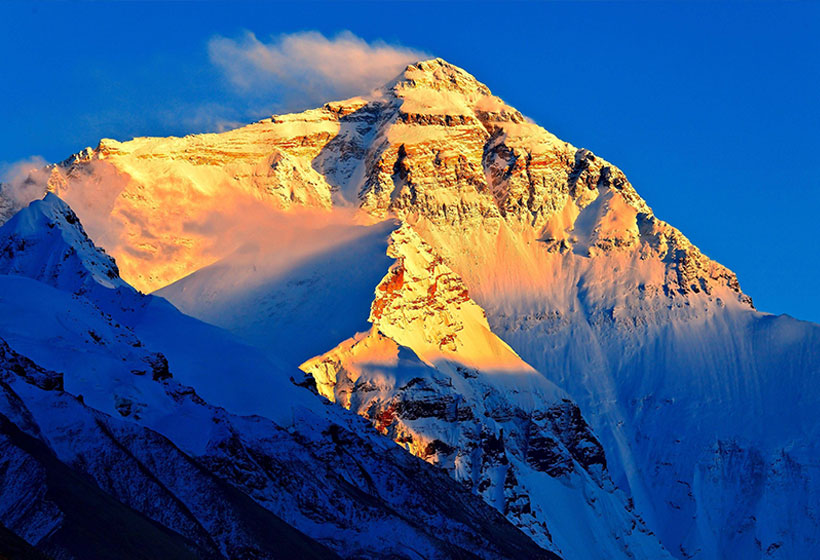 Mount Everest
The Lhasa Tourism Region includes Lhasa, Damxung, Gyantse, Shigatse, and Yamdrok Lake. Lhasa is not only the political, economic, cultural, and transportation center of Tibet, but also the heart of Tibetan Buddhism. Major attractions in this region include Jokhang Temple, Potala Palace, Barkhor Street, Norbulingka, and the Three Great Monasteries—Ganden, Drepung, and Sera.
The Western Tibet Tourism Region, also the Ngari (Ali) area, is known as the "Roof of the Roof of the World". This region is characterized by religious pilgrimage tourism, with Purang serving as the main entry and exit point. It attracts travelers from Nepal and India to visit sacred mountains and holy lakes, as well as devoted pilgrims from around the world who come here to worship.
The Southwestern Tibet Tourism Region has opened more than 21 peaks to visitors, including Mount Everest and Shishapangma. It has now developed into a tourism region featuring mountaineering and adventure travel.
The Southern Tibet Tourism Region, centered around Nyingchi, is renowned for its diverse scenery, where one can experience the beauty of all four seasons in a single day. Snow-capped peaks, lush primeval forests, hillsides covered in rhododendrons, and ever-flowing rivers come together to create breathtaking landscapes. The region is not only picturesque but also enjoys a mild and pleasant climate.
3-day or 4-day Tibet Itinerary
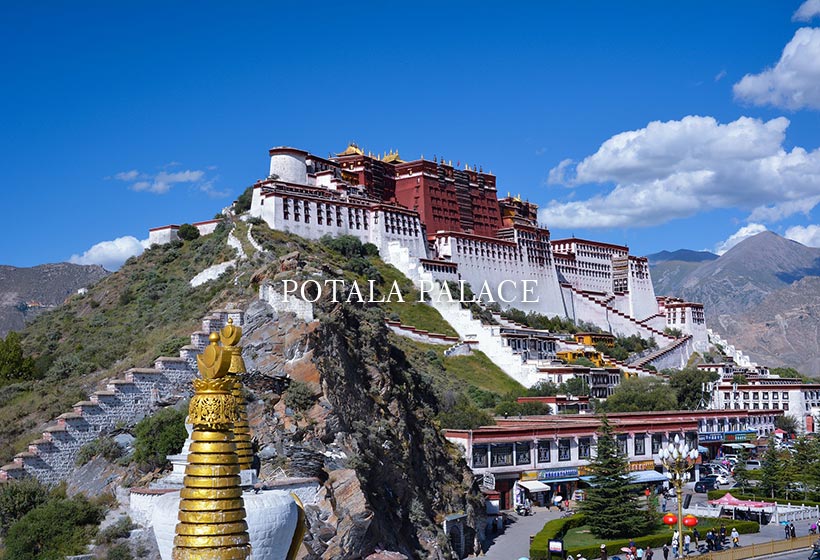 Potala Palace, Lhasa
Tibet covers a vast area, and most attractions are far apart, so traveling between them often takes a considerable amount of time. Therefore, on a short Tibet trip of three to four days, travelers usually choose to visit only one tourism region, which also includes a full day set aside for acclimatizing to the high-altitude environment.
Day 1: Arrival in Lhasa. Arrive in Lhasa and rest for the day to acclimatize to the altitude (3,656 meters/12,000 feet), drink plenty of water and avoid strenuous activities.
Day 2: Potala Palace and Jokhang Temple. Visit the Potala Palace, the iconic landmark of Lhasa and former residence of the Dalai Lama, and explore the palace's many halls, chapels, and courtyards, admiring the stunning views from the roof. Then visit the Jokhang Temple, a sacred site for Tibetan Buddhists and the spiritual heart of Lhasa, observe pilgrims prostrating themselves in front of the temple and explore the lively Barkhor Street surrounding the temple.
Day 3: Drepung Monastery and Sera Monastery. Visit the Drepung Monastery, once the largest and most influential monastery in Tibet, and learn about its history and significance. Then visit the Sera Monastery, known for its lively debates among monks, and witness the traditional debates in action.
Day 4: Norbulingka Palace and Departure. Visit the Norbulingka, setting with many gardens and pavilions, learn about the history and significance of the palace. Depart from Lhasa and head to your next destination.
5-day or 7-day Tibet Itinerary
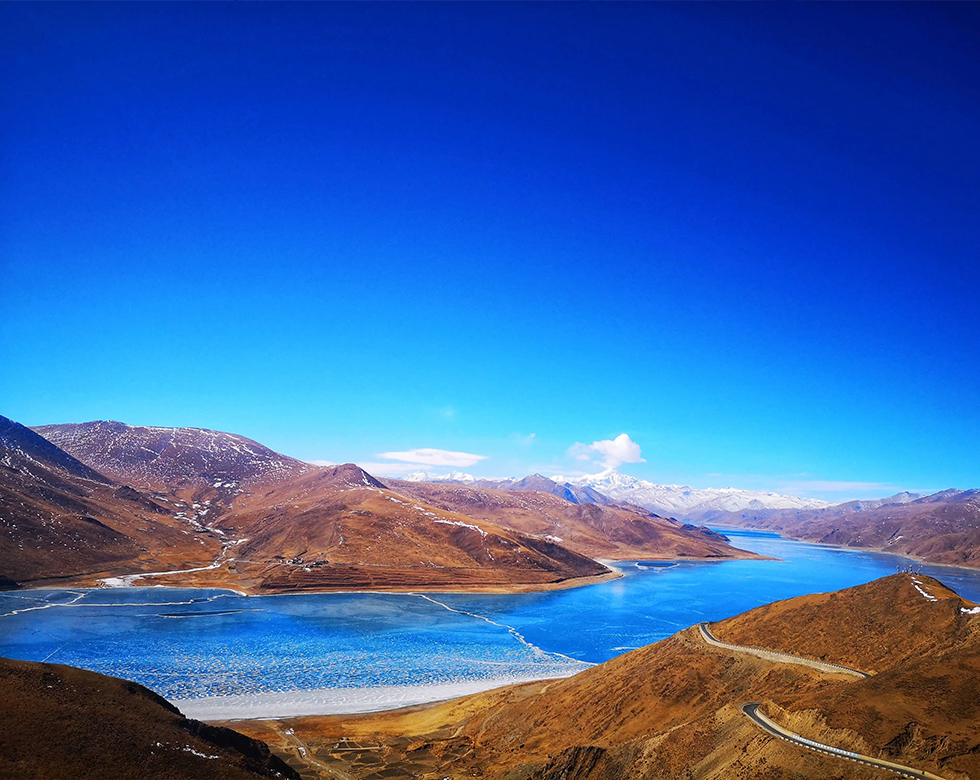 Yamdrok Lake, Nagarze
When you have more time, you can choose certain sightseeing loop routes, such as the eastern loop of Lhasa–Nyingchi–Shannan–Lhasa, or the western loop of Lhasa–Shigatse–Ngari–Shigatse. These routes allow you to visit as many attractions as possible while reducing time spent on long journeys.
Day 1: Arrival in Lhasa
Upon your arrival at Lhasa airport or train station, your tour guide will greet you and take you to your hotel. Rest and acclimate to the high altitude in Lhasa.
Day 2: Lhasa City Tour
Visit the famous Potala Palace, Jokhang Temple, and Barkhor Street. Explore Tibetan history, religion, and culture.
Day 3: Lhasa to Gyantse
Drive to Gyantse via the scenic Yamdrok Lake. Visit Pelkor Chode Monastery and Kumbum Stupa.
Day 4: Shigatse to Tingri
Drive through Lhatse and Shegar to reach Tingri. Enjoy stunning views of Himalayan mountains.
Day 5: Tingri to Rongbuk Monastery
Drive to Rongbuk Monastery, the highest monastery in the world. Hike or take a shuttle bus to the Everest Base Camp.
Day 6: Rongbuk Monastery to Shigatse
Drive back to Shigatse, en route visit Sakya Monastery, a seat of Sakya tradition of Tibetan Buddhism.
Day 7: Shigatse to Lhasa
Drive back to Lhasa, en route visit Yamdrok Lake and Karola Glacier. Say farewell to your guide and transfer to the airport or train station for your departure.
10-day or 14-day Tibet Itinerary
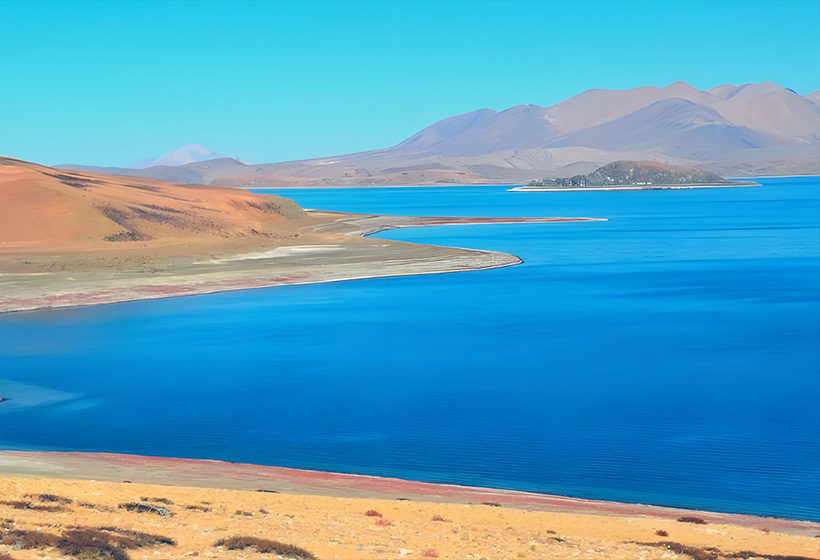 Manasarovar Lake, Nagri
If you have plenty of time, you might consider some unique routes and travel experiences. For example, completing a kora around Mount Kailash, cycling along National Highway G318, or even attempting to climb Mount Everest. Of course, the Sichuan–Tibet Highway from Chengdu in Sichuan to Lhasa in Tibet is also a dream route for many pilgrims.
Day 1-2: Lhasa
Arrive in Lhasa, acclimatize to the altitude and explore the city. Visit the Potala Palace, Jokhang Temple, Barkhor Street and other attractions.
Day 3: Lhasa to Yamdrok Lake to Gyantse
Drive to Yamdrok Lake, one of Tibet's three sacred lakes, and then continue to Gyantse. Visit the Pelkor Chode Monastery and Kumbum Stupa.
Day 4: Gyantse to Shigatse
Drive to Shigatse, Tibet's second-largest city. Visit the Tashilhunpo Monastery, the traditional seat of the Panchen Lama.
Day 5: Shigatse to Lhatse
Drive to Lhatse, a small town along the Friendship Highway. En route, you will pass through several high mountain passes and enjoy stunning views.
Day 6: Lhatse to Saga
Drive to Saga, a small town that serves as a gateway to western Tibet. The scenery here is vast and open, with high plains stretching off to the horizon.
Day 7: Saga to Lake Manasarovar
Drive to Lake Manasarovar, one of the holiest lakes in Tibet. Take a dip in the lake and camp overnight on its shores.
Day 8: Lake Manasarovar to Darchen
Drive to Darchen, the starting point for the kora (circumambulation) around Mount Kailash. Take a rest day to prepare for the trek.
Day 9-10: Mount Kailash Kora
Embark on the 3-day trek around Mount Kailash. This is a physically demanding but spiritually rewarding journey that is considered one of the holiest pilgrimages in the world.
Day 11: Darchen to Zhongba
Drive to Zhongba, a small town that marks the halfway point between Darchen and Nagri. The landscape here is rugged and otherworldly.
Day 12: Zhongba to Nagri
Drive to Nagri, the largest town in western Tibet. Visit the Tholing Monastery and the ruins of the ancient Guge Kingdom.
Day 13-14: Nagri to Lhasa
Drive back to Lhasa, stopping at various points of interest along the way, such as the ruins of the Tölung Dechen Monastery and the sacred Tsaparang Valley.
Day 15: Departure
Depart from Lhasa and end the tour.
More Kind of Themed Itinerary
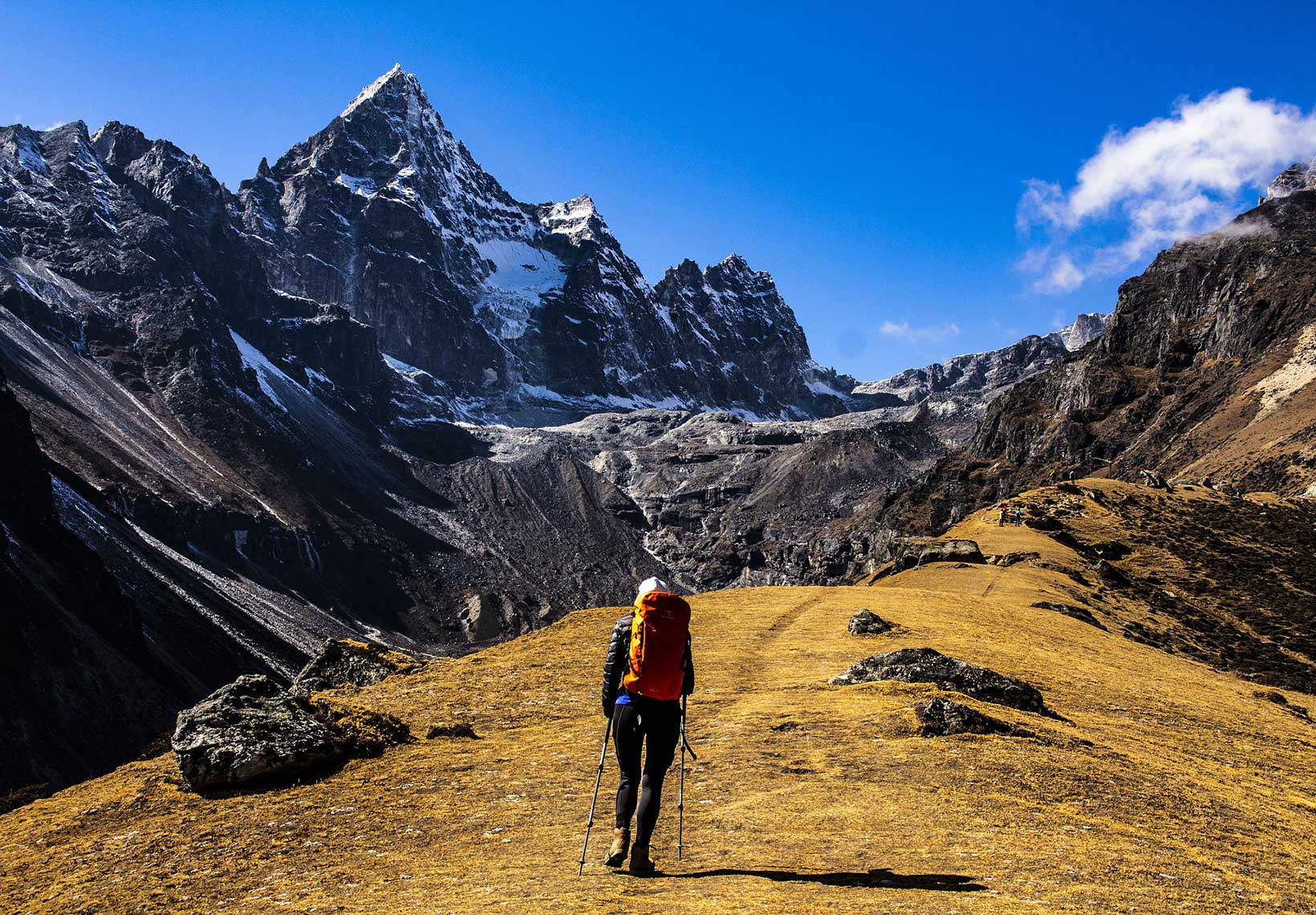 Nepal
NepalTibet's terrain is defined by towering mountains, lakes, and rivers, making it ideal for birdwatching and photography. Places such as Zongjiao Lukang Park, Lhalu Wetland, Lulang Forest, and the Yarlung Tsangpo Grand Canyon are all excellent spots for birding and photography.
Nepal and Tibet lie on the southern and northern sides of the Himalayas respectively. Although they are separated by only one mountain range, their landscapes are strikingly different. Nepal is lush, gentle, and picturesque, while Tibet is dominated by vast plateaus and snow-capped mountains, majestic and awe-inspiring. Despite being divided by the world's highest peaks, the two regions share a continuous Buddhist cultural heritage. Combining Tibet in China with Nepal in a single journey allows you to experience the unique charm of two cultures, leading to a more comprehensive and enriching travel experience.
- More about Tibet Birding Itinerary »
- More about Tibet Photography Itinerary »
- More about Tibet-Nepal Itinerary »
Customize Your Unique Tibet Tour
Alternatively, if you would like to customize your Tibet tour, please visit our Tibet Tour Customized Center. We assure you that you will receive a reply within 24 working hours.
Informative Articles for Your Tibet Trip
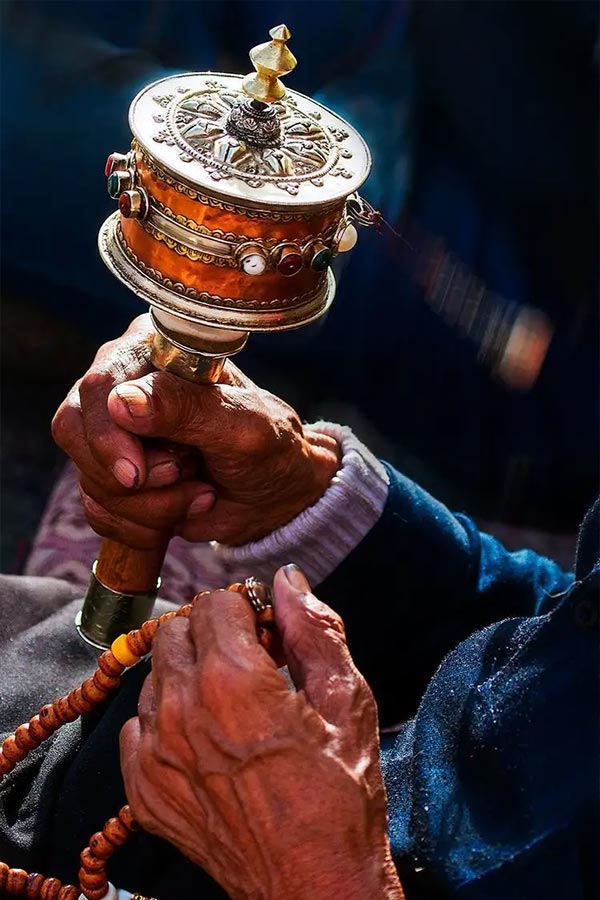 Prayer wheel, Tibet
- Tibet Travel Guide: attractions, weather, food, culture, tours, etc.
- Tibetan Culture: rich and unique
- Travel itinerary: various itineraries for your reference
- Weather: the best time and seasons to visit Tibet
- Attraction: well-selected top attractions
- Activities: Tibetan cultural immersions
- Where to Visit: top places to visit in Tibet
- Unique Perspective: top things to do in Tibet
- Food and Restaurants: what and where to eat while traveling in Tibet
- Accommodation: handpicked hotels for you
- Tibet Tours: tailor-made Tours for your reference


GREAT FAMILY CHINA TOUR
JULY 2024 We wanted to thank Grace at China Culture tour for organizing a great tour of China. We enjoyed our Beijing - Xian-Chengdu -Guilin -Yangshuo - Shanghai trip. Our local guides Bruce in Beijing, Susan in Xian, Jane in Chengdu, Mike in Guilin and Mary in Shanghai took care of us…read more details »
Teng Han L from SINGAPORE
Ready to Create a Unique Dream Travel?