

Tibet photography itineraries
Where, the best places to shoot
Tibet is home to many beautiful and photogenic places that offer a wide range of photography opportunities. Here are a few popular photography spots in Tibet that you may want to consider visiting:
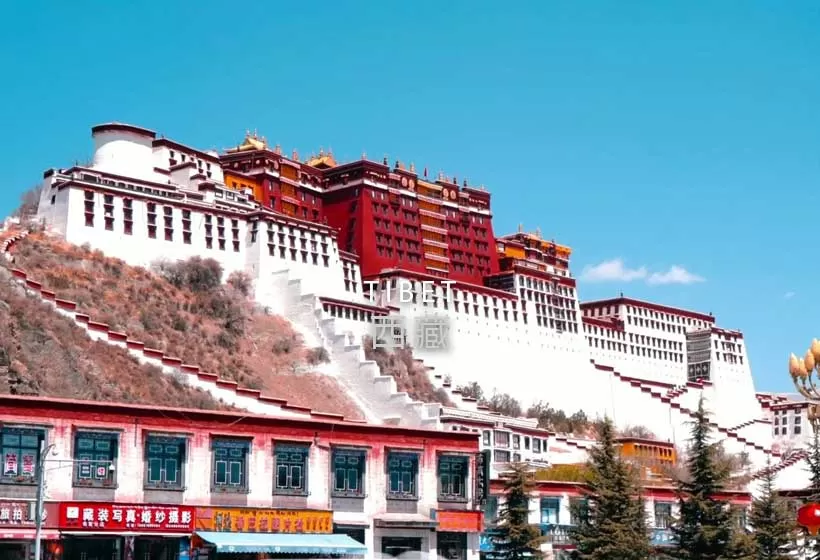
Potala Palace: The iconic Potala Palace in Lhasa is a UNESCO World Heritage Site and one of the most recognizable symbols of Tibet. The palace offers stunning views of the surrounding city and is a great place to photograph traditional Tibetan architecture and culture.
Jokhang Temple: The Jokhang Temple is another important religious site in Lhasa, and is considered the spiritual heart of Tibet. The temple's intricate architecture and intricate murals make it a popular spot for photography.
Mount Everest: The highest mountain in the world, Mount Everest is a popular destination for photographers. The views from the base camp are breathtaking and the chance to photograph the world's highest peak is an opportunity not to be missed.
Lake Yamdrok: The beautiful Lake Yamdrok is one of the three largest sacred lakes in Tibet and is a popular spot for photography. The lake is surrounded by stunning mountain landscapes and offers beautiful views of the surrounding area.
Namtso Lake: The Namtso Lake is another beautiful lake in Tibet and is known for its stunning sunsets and sunrises. The lake is surrounded by snow-capped peaks, and it is a great spot to photograph the beautiful Tibetan landscape.
Yarlung Zangbo Grand Canyon: The world's largest canyon, the Yarlung Zangbo Grand Canyon offers a unique and beautiful landscape that is great for photography. The canyon is home to many beautiful species of birds and is known for its stunning sunsets.
Nyingchi: Nyingchi is known for its beautiful forests and alpine meadows and is home to a wide variety of bird species. Nyingchi is a great place to photograph the beautiful Tibetan landscape and also the species of birds.
It is worth noting that some of these places may be restricted by the Chinese government, so it is important to check the current travel restrictions and obtain any necessary permits before planning a trip. Also, it is always best to consult with local photography experts or tour companies that specialize in photography trips to Tibet for the most up-to-date and accurate information.
When, the best time to do a photography trip in Tibet
The best time to do a photography trip in Tibet depends on the specific type of photography you hope to do and the location you plan to visit. However, in general, the spring and autumn months are considered the best times to do a photography trip in Tibet.
Spring (April to June) is a great time to visit Tibet for photography, as the warmer weather and the presence of new vegetation make it easier to capture the beauty of the landscapes. The spring also bring a lot of colorful flowers, and many of the snow-capped peaks start to become visible, providing a great backdrop for photography.
Autumn (September to November) is also a great time for photography in Tibet, as the clear skies and the changing colors of the leaves provide excellent opportunities for landscape and nature photography. The fall also brings beautiful sunsets and sunrises, which are ideal for capturing the beauty of the Himalayas.
It is important to note that some areas of Tibet may be closed to tourism during certain times of the year, so it is best to check the current situation and regulations before planning your trip. Additionally, it is worth considering the altitude and weather conditions when planning a photography trip in Tibet, as some areas can be very cold and snowy during winter, and it can affect the quality of your shots.
6-day photography itinerary for Tibet:
Day 1: Arrive in Lhasa and acclimatize to the high altitude. Take a leisurely stroll around the city and visit the Potala Palace, a UNESCO World Heritage Site, in the afternoon. Capture the grandeur of the palace and the unique architecture of the traditional Tibetan buildings.
Day 2: Travel to Nyingchi Prefecture. Along the way, stop at the Yarlung Tsangpo Grand Canyon and capture the breathtaking landscapes and the river running through it. Overnight in Nyingchi.
Day 3: Spend the day capturing the diverse landscapes of the Nyingchi Prefecture. The region is known for its forests, grasslands, and wetlands, making it a great spot for nature photography. Also visit Basum Tso lake, a glacial lake surrounded by beautiful landscapes. Overnight in Nyingchi.
Day 4: Travel to Shigatse. Along the way, stop at the Yamdrok Lake, where you can capture the unique turquoise color of the lake, and the beautiful mountain ranges surrounding it. Overnight in Shigatse.
Day 5: Visit Tashilhunpo Monastery in Shigatse, one of the largest functioning monasteries in Tibet. Capture the intricate details of the architecture and the colorful paintings and murals inside the monastery. Overnight in Shigatse.
Day 6: Return to Lhasa and depart.
It is important to note that Tibet is a sensitive region and travel restrictions are in place, so it is best to check the current situation and regulations before planning your trip. Additionally, it is worth considering the altitude and weather conditions when planning a photography trip in Tibet, as some areas can be very cold and snowy during winter, and it can affect the quality of your shots.
Photography travel guide for tibet
Tibet is a photographer's paradise, with its stunning landscapes, unique culture, and beautiful architecture. Here are a few tips for planning a photography trip to Tibet:
Plan your trip around the best time of year: The best time to visit Tibet for photography is during the summer months of June to September, when the weather is mild and the skies are clear.
Obtain the necessary permits: Travel to Tibet may be restricted by the Chinese government, so it is important to check the current travel restrictions and obtain any necessary permits before planning your trip. As a local travel agency, we can abtain the permit for you!
Choose the right gear: The high altitude and extreme weather conditions in Tibet can be tough on camera equipment, so be sure to bring a sturdy tripod, a good quality camera bag and a good zoom lens.
Research your locations: Tibet is a large region, and each area offers unique opportunities for photography. It is important to research the different regions you plan to visit and find out what types of landscapes, culture and architecture you will be able to photograph.
Respect the culture: Tibet is a sacred place for many people and it is important to respect the local culture, customs and religious practices. Always ask for permission before taking photographs of people and be mindful of the surroundings.
Be prepared for altitude sickness: Tibet is located at high altitude and many visitors may experience altitude sickness. Be sure to take necessary precautions, such as drinking plenty of water, avoiding alcohol and getting enough rest.
Be flexible with your itinerary: Weather and road conditions can change rapidly in Tibet, so it's important to be flexible with your itinerary and be prepared to change your plans if necessary.
By keeping these tips in mind, you can ensure that your photography trip to Tibet is a success and that you come back with beautiful and meaningful photos.
Customize Your Unique Tibet Tour

Alternatively, if you would like to customize your Tibet tour, please visit our Tibet Tour Customized Center. We assure you that you will receive a reply within 24 working hours.
Informative Articles for Your Tibet Trip
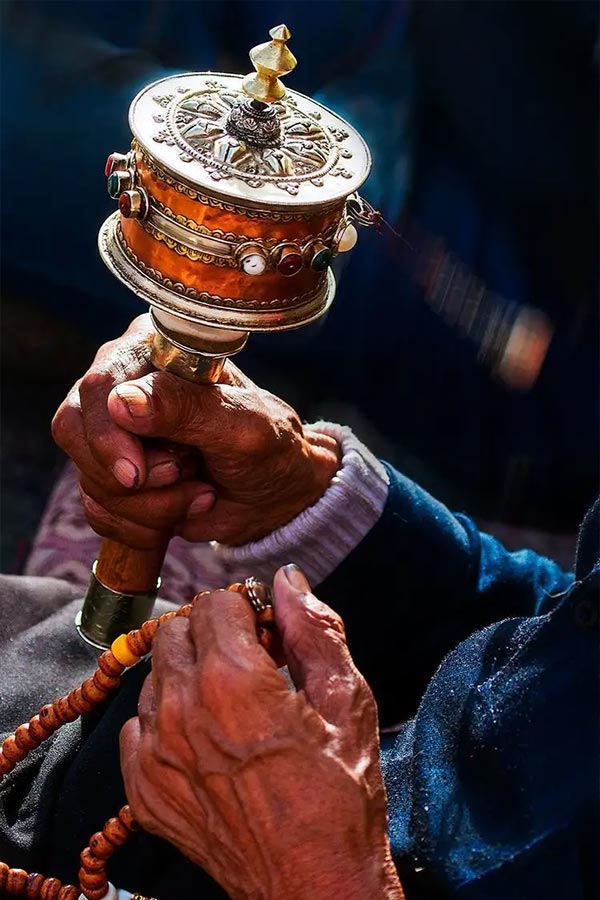 Prayer wheel, Tibet
- Tibet Travel Guide: attractions, weather, food, culture, tours, etc.
- Tibetan Culture: rich and unique
- Travel itinerary: various itineraries for your reference
- Weather: the best time and seasons to visit Tibet
- Attraction: well-selected top attractions
- Activities: Tibetan cultural immersions
- Where to Visit: top places to visit in Tibet
- Unique Perspective: top things to do in Tibet
- Food and Restaurants: what and where to eat while traveling in Tibet
- Accommodation: handpicked hotels for you
- Tibet Tours: tailor-made Tours for your reference

GREAT FAMILY CHINA TOUR
JULY 2024 We wanted to thank Grace at China Culture tour for organizing a great tour of China. We enjoyed our Beijing - Xian-Chengdu -Guilin -Yangshuo - Shanghai trip. Our local guides Bruce in Beijing, Susan in Xian, Jane in Chengdu, Mike in Guilin and Mary in Shanghai took care of us…read more details »
Teng Han L from SINGAPORE
Ready to Create a Unique Dream Travel?