

Best Time to Visit China for Tours: Top Itineraries by Season
Contemporary China is more than a 5,000-year-old civilization—it is also a global innovation hub for artificial intelligence and robotics. While most people focus on temperature charts, we focus on the moments that matter: when does the first sip of spring tea reach a private garden? Which autumn week offers the perfect golden hour for a private dinner on the Great Wall? On a winter morning after snow, which section of the Wall stands silently waiting just for you?
Let us guide you beyond conventional climate data and help you discover the season that speaks to your idea of an unforgettable journey.
Spring (March – May): Awakening of the Senses
Gentle breezes sweep through classical gardens as tender tea buds unfurl in the morning mist. This is the season cultural explorers cherish—before the crowds arrive, yet after the world has stirred from its winter rest.
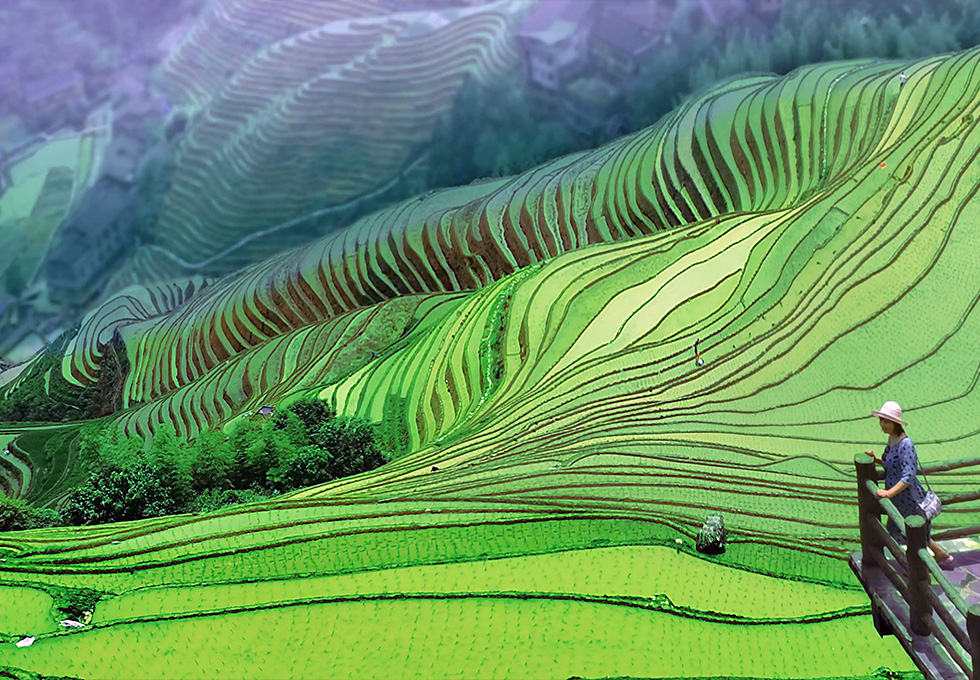 Longji Terraced Rice Fields
Exclusive Experiences
- Private Garden Walks: Enter the Summer Palace before dawn with our cultural expert, listening to birdsong and centuries of history. Or enjoy the Forbidden City’s lesser‑visited corners as the first cherry blossoms catch the morning light.
- Premium Tea Encounters: Venture into Hangzhou’s Dragon Well tea hills with a master grower. Hand‑pick the season’s first leaves and taste freshly pan‑fried Longjing in a centuries‑old tea house.
- Yangzhou’s Early Spring Culinary Tour: Follow a local food historian to a legendary morning tea house. Sample delicate “soup dumplings” and visit a private kitchen where Huaiyang cuisine masters prepare seasonal specialties.
- Qingming Traditions: In a canal town south of the Yangtze, join a local family as they make qingtuan (green rice balls) and share stories about the ancient Cold Food Festival.
- Luoyang Peony Festival Privately: Enter the city’s famed peony gardens before public opening hours. A horticultural expert will introduce rare varieties once reserved for imperial courts.
- Huizhou Ancient Path Hike: Walk the Huihang Trail with a village guide as canola flowers paint the terraced hillsides brilliant yellow. Stop in remote hamlets for home‑cooked Huizhou cuisine.
Recommended Journeys
| Journey | Who It’s For | Highlights |
|---|---|---|
| Jiangnan Gardens & Tea Culture | Couples, culture lovers, photographers | Early‑morning entry to Suzhou’s Humble Administrator’s Garden + private tea ceremony in Hangzhou + evening stroll through Wuzhen water town |
| Imperial Spring: Beijing in Bloom | Families, history enthusiasts | After‑hours Forbidden City tour + Kunming Lake boat ride + private sunset dinner on a less‑visited Great Wall section |
| Ancient Capitals: Beijing, Xi’an & Luoyang | History buffs, cultural explorers | After‑hours Terracotta Warriors + Luoyang Longmen Grottoes by night + exclusive peony garden experience |
| Anhui Spring: Villages & Flower Seas | Photographers, slow travelers | Dawn tour of Hongcun village + gentle Huihang Trail walk + traditional Xuan paper workshop |
| For Families | ||
| Panda Keeper for a Day | Families with children (ages 5–12) | Chengdu Panda Base: behind‑the‑scenes visit, prepare food, observe keepers at work + Sichuan opera face‑changing workshop |
| For Seniors | ||
| Classic Gardens & Tea Tasting | Senior travelers | Pace: 3–4 hours daily, afternoon rest | Accessible pathways + private guide + wheelchair‑friendly gardens |
Discover more options for this season in our best China tours collection, featuring flexible itineraries you can customize.
Summer (June – August): Cool Highlands & Pristine Lands
While central China swelters, we take you northward or into the highlands. Here, cool mountain breezes and vast landscapes reveal China’s quieter, more spacious side.
Exclusive Experiences
- Chengde Mountain Resort Privately: Walk the imperial summer retreat with a Qing dynasty specialist who brings to life the court dramas of Emperor Qianlong.
- Shangri-La Tibetan Discovery: Join a local family in their farmhouse to make tsampa (roasted barley flour) and sip butter tea. At Songzanlin Monastery, a senior lama may offer a personal blessing.
- Li River at Dawn: Glide on a private bamboo raft before other boats appear. Disembark at a scenic spot for a riverside breakfast with the mist‑shrouded karst peaks as your backdrop.
- Changbai Mountain Crater Lake Trek: Follow an ecologist along a secluded forest trail to the best viewing point of Heaven Lake, listening to local legends along the way.
- Qinghai Lake Cycling & Nomad Visit: Cycle beside China’s largest inland lake, stopping at a Tibetan nomad tent to make yogurt and learn about life on the plateau.
- Guizhou Dong Chorus Festival: In a remote Dong village, a cultural scholar introduces you to the UNESCO‑listed Grand Song of the Dong people. Join the evening bonfire celebration.
Recommended Journeys
| Journey | Who It’s For | Highlights |
|---|---|---|
| Yunnan Cool Retreat: Lijiang – Shangri-La – Lugu Lake | Families, nature lovers | Jade Dragon Snow Mountain cable car + Songzanlin Monastery blessing + Mosuo homestay at Lugu Lake |
| Guilin & Yangshuo Summer Escape | Photographers, leisure travelers | Private Li River bamboo raft + Silver Cave VIP tour + cycling through Yangshuo’s countryside |
| Changbai Mountain & Forest Spa | Adventure lovers, couples | VIP access to Heaven Lake + old‑growth forest hike + private hot spring soak |
| Guizhou Miao & Dong Summer Festival | Culture explorers, photographers | Night view of Xijiang Miao Village + exclusive Dong Chorus performance + early‑morning entry to Libo Seven‑Small‑Arches Scenic Area |
| For Families | ||
| Great Wall Camp for Families | Families with children (ages 8–16) | Overnight in a restored watchtower (summer only) + stargazing + junior ranger activity |
| For Seniors | ||
| Lijiang Slow Stay | Senior travelers | Pace: 1–2 activities daily, flexible timing | Stay in a heritage courtyard hotel + private guide + electric cart tours |
Autumn (September – November): Photographer's Paradise, Colors Unbound
This is China at its most brilliant. Golden ginkgo leaves, fiery red maples, the turquoise lakes of Jiuzhaigou, and misty ancient villages—each scene awaits discovery. With our guidance, you’ll avoid the National Day crowds and capture autumn in its purest form.
Exclusive Experiences
- Great Wall Autumn Walk: Hike a restored but less‑frequented section (such as Jinshanling) with a Great Wall scholar. Pause in a watchtower for a warm tea break as the afternoon light turns the ramparts golden.
- Jiuzhaigou VIP Access: Enter the valley before the gates open. A photography guide leads you to lesser‑visited lakes and prime spots for capturing autumn reflections without the crowds.
- Huiyang “Shaiqiu” Harvest Festival: In Wuyuan or Tachuan, join villagers as they dry chili peppers, corn, and chrysanthemums on traditional bamboo trays. A local photographer shows you the best angles for this unique tradition.
- Beijing’s Fragrant Hills at Dawn: Enter the park before public hours with a botanist who shares stories of imperial autumn outings. Capture the first light filtering through red maple leaves.
- Tengchong Ginkgo Village: During the one week when leaves turn pure gold, stay in a boutique inn within the village. A local farmer guides you to ancient ginkgo trees and prepares a ginkgo‑nut chicken soup.
- Kanas Lake Horse Trek: Avoid the crowded boardwalks by riding or trekking into the Two Lakes area. In the Tuvwa village of Baihaba, share milk tea with residents and listen to the haunting su’er flute.
- Yangcheng Lake Hairy Crab Feast: In mid‑autumn, visit a private crab farm outside Suzhou. A crab farmer explains the art of selecting the best females (ninth lunar month) and males (tenth). Enjoy freshly steamed crabs in a garden setting.
- Nanjing Autumn: Red Leaves & Southern Dynasties Art: With an art historian, explore the Qixia Temple rock carvings amid crimson foliage. Learn how Buddhist art evolved along the Yangtze during the Southern Dynasties.
Recommended Journeys
| Journey | Who It’s For | Highlights |
|---|---|---|
| Beijing in Gold: Great Wall & Imperial Gardens | Photographers, culture lovers | Jinshanling Great Wall hike + Summer Palace autumn walk + Yonghegong Lama Temple ginkgo avenue |
| Jiuzhaigou Autumn Photography | Photographers, nature lovers | VIP early entry to Jiuzhaigou + dawn tour of Huanglong + Tibetan family dinner |
| Huizhou Autumn: Villages & Yellow Mountain | Photographers, slow travelers | Tachuan or Huangling “shaiqiu” experience + Huangshan sunrise + Nanhu dawn at Hongcun |
| Xinjiang Kanas Golden Autumn | Adventure travelers, photographers | Two Lakes trek + Baihaba Tuvwa homestay + Hemu village morning mist |
| Jiangnan Autumn Feast | Food lovers, culture enthusiasts | Yangcheng Lake hairy crab tasting + Humble Administrator’s Garden autumn walk + private Pingtan performance |
| Western Sichuan Autumn: Daocheng Yading & Danba | Adventure travelers, photographers | VIP access to Daocheng Yading + Danba Jiaju Tibetan village + Tagong Grassland autumn colors |
| For Families | ||
| Huangshan Autumn Family Adventure | Families with children (ages 7–14) | Easy cable car up Yellow Mountain + “shaiqiu” harvest activity + visit to a traditional ink‑stick workshop |
| For Seniors | ||
| Hangzhou & Suzhou Autumn Serenity | Senior travelers | Pace: 3–4 hours daily, morning focus | West Lake lakeside walk + classical garden visits + afternoon tea in a restored mansion |
Winter (December – February): Icy Wonders & Cozy Retreats
For the discerning traveler, winter is China’s best‑kept secret. Fewer visitors, deeper experiences. Whether it’s the magic of ice festivals or the warmth of hot springs, this season reveals China at its most intimate.
Exclusive Experiences
- Harbin Ice Festival VIP Evening: Enter the Ice and Snow World before the crowds arrive. An ice sculptor explains the craft behind the towering castles and intricate lanterns.
- Changbai Mountain Ski & Hot Spring: Stay at the region’s finest resort. Spend mornings skiing on groomed trails and afternoons soaking in volcanic hot springs surrounded by snow‑covered forest.
- Tengchong Hot Spring Retreat: Unwind in a private villa with an in‑room mineral spring. A traditional Chinese medicine practitioner can offer personalized wellness advice.
- Great Wall After Snowfall: On a crisp winter morning, walk a section of the Wall that rarely sees visitors. Your guide shares classical poems written about snow‑covered passes while you sip warm ginger tea.
- Xi’an Winter Lantern Festival Preview: Before the Spring Festival lanterns open to the public, enjoy a private evening at the City Wall with a craft artist who helps you make traditional flower buns (huamo).
- Tibetan New Year in Lhasa: Join a local family to prepare gutu (Tibetan New Year’s Eve stew). On Losar morning, witness the solemn rituals at Jokhang Temple with a Buddhist scholar.
- Jilin Rime Ice Photography: At dawn, a photography guide takes you by boat to the island where rime frost coats every branch. Capture this fleeting phenomenon before the sun melts it.
Recommended Journeys
| Journey | Who It’s For | Highlights |
|---|---|---|
| Harbin Ice & Snow Festival | Families, winter enthusiasts | VIP entry to Ice and Snow World + Sun Island Snow Sculpture Expo + Russian‑style Harbin city tour |
| Changbai Mountain Snow & Spa | Couples, leisure travelers | Heaven Lake + volcanic hot spring resort + snow forest walk |
| Yunnan Winter Warmth: Tengchong & Dali | Seniors, wellness travelers | Tengchong Rehai hot springs + Heshun ancient town + Erhai Lake bike ride (electric cart option) |
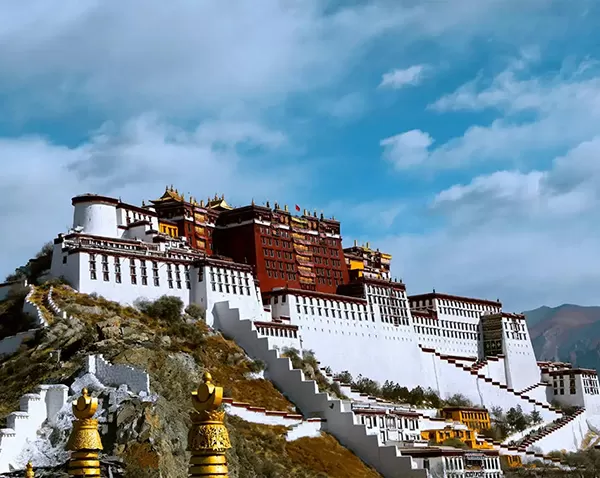
| Tibetan New Year Pilgrimage | Culture explorers, photographers | Losar celebration at Jokhang Temple + Potala Palace VIP tour + Tibetan family New Year’s Eve dinner |
| Jilin Rime & Snow Town | Photographers, adventure travelers | Dawn rime photography at Wusong Island + Snow Town fairytale scenery + Yabuli skiing option |
| For Families | ||
| Harbin Winter Wonderland | Families with children (ages 6–14) | Ice sculpture workshop + snow tubing + Siberian tiger park visit |
| For Seniors | ||
| Hainan Tropical Escape | Senior travelers | Pace: flexible, resort‑based | Stay at a beachfront resort + Sanya Bay strolls + tropical fruit garden tour |
Worst Times to Visit China (And How to Avoid Them)
Even the most magnificent destinations can lose their charm when crowds overwhelm or weather turns extreme. The key is not simply to avoid certain dates, but to know how to navigate them—or transform them into opportunities for exclusive access. Below are periods that many travellers find challenging, along with our insider strategies to ensure your journey remains seamless and extraordinary.
| Time Period | Issues | Our Advice / How to Avoid |
|---|---|---|
| China's Three Golden Weeks • Spring Festival (around Lunar New Year) • Labor Day (May 1-3) • National Day (Oct 1-7) |
• Overcrowding: famous attractions reach peak visitor numbers, queues last for hours. • Traffic congestion: train and flight tickets are hard to get; highways are heavily congested. • High accommodation prices: hotel rates in popular cities double, quality rooms sell out early. • Diminished experience: hard to enjoy culture calmly due to crowds. |
• Travel off-peak: choose the two weeks before or after Golden Weeks for pleasant weather and fewer crowds. • Explore alternative destinations: if dates cannot be changed, visit less popular but equally exciting places (e.g., Qiandongnan, Fujian Tulou). • Exclusive access: we can arrange private visiting times at major attractions (e.g., early morning at the Forbidden City, after-hours at Terracotta Army). |
| Summer Heat Mid-July – Late August (especially "furnace" cities along the Yangtze: Chongqing, Wuhan, Nanjing) |
• High temperatures and humidity: feels over 40°C, outdoor sightseeing can cause heatstroke and fatigue. • Air quality: still, humid days may accumulate smog. • Summer peak: while not as crowded as Golden Weeks, family holiday traffic remains high. |
• Head north or to high-altitude areas: visit places like Chengde Mountain Resort, Changbai Mountain, Qinghai Lake, Xinjiang Ili for cooler climates. • Morning and evening activities: in southern cities, schedule outdoor activities for early morning and late afternoon; indoor cultural experiences (tea tasting, calligraphy, VIP museum tours) or hotel rest at noon. • Private transport: air-conditioned car available throughout, with water and sun protection provided. |
| Winter Cold Late December – January (especially Northeast China and Qinghai-Tibet Plateau) |
• Low temperatures and snow: Harbin, Mohe can reach -30°C, limiting outdoor activities. • Partial attraction closures: some high-altitude sites in Tibet and Xinjiang may be closed due to snow. • Short daylight hours: less time for sightseeing. |
• Choose destinations carefully: for ice and snow experiences, we recommend Harbin + Changbai Mountain, with indoor/outdoor alternation and cold-weather preparations. • Go south to warmer areas: winter in Yunnan (Xishuangbanna, Tengchong), Hainan, Guangxi is mild and comfortable. • Focus on cultural experiences: in northern cities, spend more time in museums, traditional neighborhoods, and hot springs. |
| Rainy Season Mid-June – Early July (Yangtze mid-lower reaches, plum rain season) July-August (South China coastal typhoon season) |
• Continuous rain: Jiangnan region (Shanghai, Hangzhou, Suzhou, Huangshan) is humid, affecting scenic views. • Flight delays: typhoons may cancel flights and ferries in coastal cities. • Mosquitoes: hot and humid weather increases insects, reducing outdoor comfort. |
• Flexible adjustments: Jiangnan during plum rain has a unique misty charm; we provide rain gear, guided indoor sightseeing, and adjust itinerary for breaks in the rain. • Avoid typhoons: typhoon paths are predictable; we communicate in advance to adjust plans to inland cities or alternative activities. • Indoor highlights: arrange activities unaffected by weather, such as silk museum, tea ceremonies, and intangible cultural heritage workshops. |
Final tip: the so-called "worst times" are relative. For travelers seeking unique experiences, with the right approach, any time can become a magical journey. Our travel designers excel at turning challenges into advantages, creating perfect itineraries that avoid crowds, adapt to the weather, and match your interests.
For a detailed breakdown of weather patterns, seasonal temperatures, and travel tips, visit our best time to visit China guide, which explains the ideal months to travel across different regions.
Frequently Asked Questions
What is the best month to visit China?
There is no single “best” month—only the month that best suits the experiences you seek.
- April–May & September–October offer comfortably mild weather and stunning natural backdrops (spring blossoms / autumn foliage). These months are ideal for cultural explorers and photographers.
- June–August opens up the highlands (Tibet, Yunnan) and family‑friendly adventures, though we always arrange private vehicles and insider timings to escape the midday heat.
- November–March reveals a quieter, more atmospheric China—think snow‑dusted temples, hot spring retreats, and lively local festivals like Tibetan New Year.
Our advice? Let us match your travel style to the season. Speak with one of our specialists to find your perfect window.
Is China crowded during holidays?
Yes, popular sites can become very busy during Chinese New Year (Jan/Feb), Labour Day (May 1–3) and National Day (Oct 1–7). However, “crowded” is a relative term when you travel with us.
- We secure after‑hours access to landmarks like the Forbidden City or the Terracotta Warriors.
- Our guides know the quietest routes and the best times to visit—often when other tour groups are having lunch.
- For holidays, we can design itineraries that steer you toward less‑visited gems while still hitting the icons.
So yes, it can be busy—but you’ll never feel it.
Is winter a good time to visit China?
Absolutely—and for the discerning traveller, winter is China’s best‑kept secret.
- Fewer tourists means you can have the Great Wall, the Summer Palace, or the Bund almost to yourself.
- Unique experiences abound: the Harbin Ice & Snow Festival, hot springs in Yunnan, skiing in the north, and the magic of a white‑roofed Forbidden City.
- Comfort is never compromised—our private cars are heated, and we choose accommodations with cosy lobbies and fireplaces.
Winter is also the season for authentic cultural moments, like celebrating the Tibetan New Year in Lhasa or learning to make dumplings with a local family during the Spring Festival.
When is the cheapest time to travel China?
While “cheap” isn’t a word we typically use (we focus on value and exclusivity), the low season (November–March, excluding the Chinese New Year period) generally offers more favourable pricing for flights and hotels.
But consider this: travelling with us means you’re investing in seamless service, private guides, and access that ordinary tourists don’t get. During the low season, that investment often goes even further—because our partners have more availability, we can often include upgrades or special experiences at no extra cost.
Ultimately, the most “cost‑effective” time is the one that gives you the richest memories. Let’s discuss your vision and find the season that offers the best balance of value and wonder.
Looking for the perfect itinerary for your travel dates? Explore our best China tours carefully selected by travel experts to match each season and travel style.
Have a different question? Contact our travel designers – we’re here to craft your perfect China journey.

GREAT FAMILY CHINA TOUR
JULY 2024 We wanted to thank Grace at China Culture tour for organizing a great tour of China. We enjoyed our Beijing - Xian-Chengdu -Guilin -Yangshuo - Shanghai trip. Our local guides Bruce in Beijing, Susan in Xian, Jane in Chengdu, Mike in Guilin and Mary in Shanghai took care of us…read more details »
Teng Han L from SINGAPORE
Ready to Create a Unique Dream Travel?