

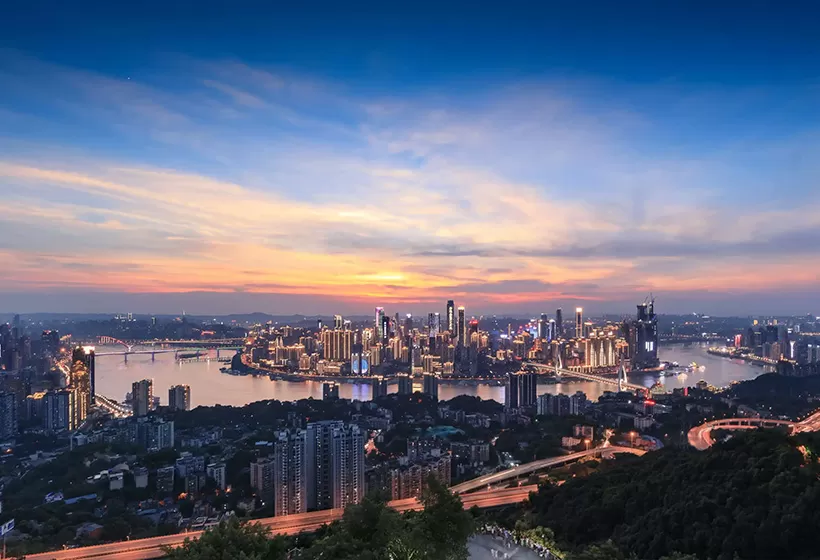
Chongqing Travel Guide, How to Plan a Trip to Chongqing
Chongqing, abbreviated as "Yu", is also known as the "Mountain City" and the "River City". It is a centrally administered municipality and a major city in China, as well as the largest city in the country by area.
Located in the southwest of China, Chongqing sits in the upper reaches of the Yangtze River. Surrounded by mountains and built along their slopes, the city lies at the edge of a basin where the Yangtze and Jialing Rivers converge. Due to the frequent mist and fog throughout the year, it has earned the nicknames "Mountain City" and "Foggy City". As the birthplace of Bayu culture, Chongqing boasts a history of over 3,000 years and has long been known as "Natural Chongqing".
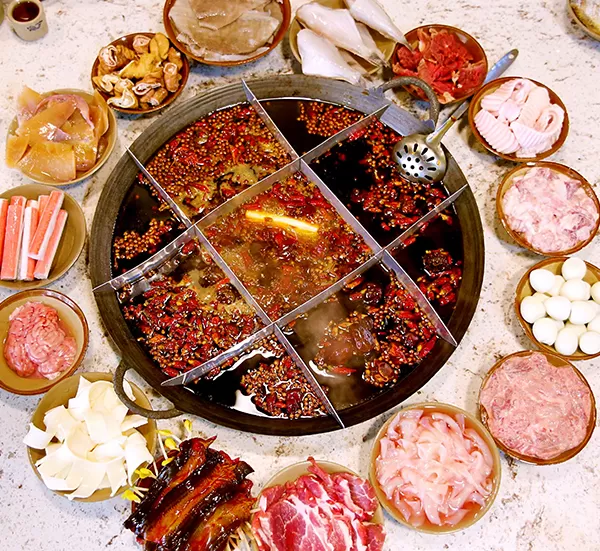
Cuisine, nightscapes, and beautiful women form Chongqing's three iconic hallmarks. It's a paradise for food lovers, especially renowned for its world-famous hotpot, spicy, numbing, and irresistibly fragrant, attracting countless diners. The nighttime scenery of the mountain city is another unmissable highlight. Whether viewed from atop Nanshan or aboard the Yangtze River cableway, the dazzling lights frame the river landscapes in spectacular fashion. Chongqing is also famously known for its beautiful women, and popular commercial districts like Jiefangbei and Guanyinqiao are ideal spots for people-watching.
History and culture, why visit Chongqing
Chongqing boasts a rich and profound cultural heritage as the birthplace of Bayu culture. Throughout history, it has witnessed countless changes and the continuous passing down of traditions. The city has served as a capital three times, as the capital of the ancient Ba Kingdom, the Xia Kingdom, and China's provisional capital during the War of Resistance Against Japanese Aggression, designated as a centrally administered municipality three times. During the Song Dynasty, the city's Diaoyu Fortress in Hechuan famously resisted Mongol invasions; during the War of Resistance against Japanese Aggression, Chongqing wrote an important chapter in the history of the world anti-fascist War, making a significant contribution to global anti-aggression history and playing an important role in China's past. Today, you'll see young people striving to carve out their futures here, while the city passionately embraces innovation in technology, culture, and the arts.
Top attractions, what to see in Chongqing
 Dazu Rock Carvings
Chongqing is not only the world's largest mountain-river metropolis but also a renowned Chinese historical and cultural city, as well as the global and national "Capital of Hot Springs", with abundant tourism resources spanning natural landscapes and cultural heritage. The night views of Hongya Cave, the bustle of Liberation Monument, the history of Ciqikou Ancient Town, the canyon scenery epitomized by the Yangtze Three Gorges and Wu River Gallery, and the karst geological wonders like Wulong Three Natural Bridges and Nanchuan Jinfo Mountain—each offers an unforgettable experience.
Luxury Hotels and accommodations, where to stay in Chongqing
Chongqing, known as the "Mountain City" and the "City of Fog," has become a globally popular travel destination thanks to its unique charm. As a result, the city is home to a wide array of hotels. From budget accommodations to luxurious five-star establishments, travelers can easily find options of all levels throughout Chongqing.
Food and restaurants, what and where to eat
 Chongqing Hotpot
As Chongqing locals often say, "Eat spicy and live free". In this magical metropolis, food has long transcended mere sustenance to become a vessel for life philosophy. In the churning crimson sea of hotpot dances a slice of tripe; Chongqing noodles jolt awake the dawn-palated morning in the mountain city; dry chili chicken crackles symphonies amidst peppercorn jungles; hot sour noodles drag street-side aromas straight to your sinuses. From silken douhua rice's gentle embrace to sizzling fish's volcanic fervor - each bite deciphers the Bayu people's chili-coded DNA, the most delicious way to navigate Chongqing.
Weather, the best time to visit Chongqing
The best time to visit Chongqing is spring and autumn. Spring (March to May) offers pleasant temperatures, blooming mountain flowers, and charming scenery. Autumn (September to November) brings clear, crisp skies and is the best season for viewing vibrant autumn leaves. Of course, both summer and winter have their own unique appeal as well.
Summer (June to August): Though hot, summer in Chongqing is full of vitality. It’s the time to escape to the mountains for a refreshing retreat and enjoy the coolness.
Winter (December to February): Despite the cold, you can relax in hot springs, admire the dazzling night views, and experience the unique winter charm of this mountain city.
Best things, what to experience in Chongqing
 Ciqikou Ancient Town
Bustling streets, dazzling nightscapes, a history filled with both glory and hardship, stirring countless emotions and opinions. Chongqing is like a magnet, drawing countless people to explore the beauty of this misty mountain city. Take a ride on the Crown Grand Escalator, experience the Liziba monorail passing through a building, go skiing in Wulong Fairy Mountain in winter… In Chongqing, there are some things you simply must experience for yourself, or it’s as if you never truly visited at all.
Travel itineraries, how to plan a Chongqing trip
Chongqing is a city offering a unique blend of history, culture, natural beauty, and outdoor adventures, making it a must-visit destination for travelers, with an itinerary that can be customized to suit their interests, from exploring ancient towns and scenic parks to trying local cuisine and taking on outdoor challenges.
- Day 1: Visit the Ciqikou Ancient Town, explore the Chongqing Museum, and then enjoy a delicious hotpot dinner
- Day 2: Take a scenic cable car ride up to the Eling Park, a scenic park that offers breathtaking views of the city, as well as the Yangtze River, Dazu Rock Carvings. Return to Chongqing and visit the Hongya Cave, enjoy a farewell dinne.
Of course, aside from the well-known landmarks like Hongya Cave and Ciqikou Ancient Town, there are also many hidden travel gems in Chongqing waiting to be discovered by adventurous explorers.
Customize Your Mountain City Chongqing Tour

If you are interested in the Chongqing itineraries mentioned above, please contact us, and we will be happy to customize it and provide a quote tailored to your preferences.
Alternatively, if you would like to customize your Chongqing Tour, please visit our Chongqing Tour Customized Center. We assure you that you will receive a reply within 24 working hours.
Informative Articles for Your Chongqing Trip
 Chongqing Hotpot
- Travel Guide: attractions, weather, hotels, food, etc.
- Weather: best time and seasons to visit Chongqing
- Top attractions: sightseeings to watch in Chongqing
- Local culture: brief history, folk culture, festivals, etc.
- Top destinations: best places to visit in Chongqing
- Travel itineraries: itineraries for your reference
- Abundant activities: Chongqing cultural immersions
- Unique perspective: top interesting things to do
- Local food: what to eat while traveling in Chongqing
- Luxury hotels: accommodation to stay in Chongqing
- Chongqing Tours: customized tours for your reference

GREAT FAMILY CHINA TOUR
JULY 2024 We wanted to thank Grace at China Culture tour for organizing a great tour of China. We enjoyed our Beijing - Xian-Chengdu -Guilin -Yangshuo - Shanghai trip. Our local guides Bruce in Beijing, Susan in Xian, Jane in Chengdu, Mike in Guilin and Mary in Shanghai took care of us…read more details »
Teng Han L from SINGAPORE
Ready to Create a Unique Dream Travel?