

Hong Kong travel guide: attractions, weather, food, hotels, local culture, itinerary, etc.
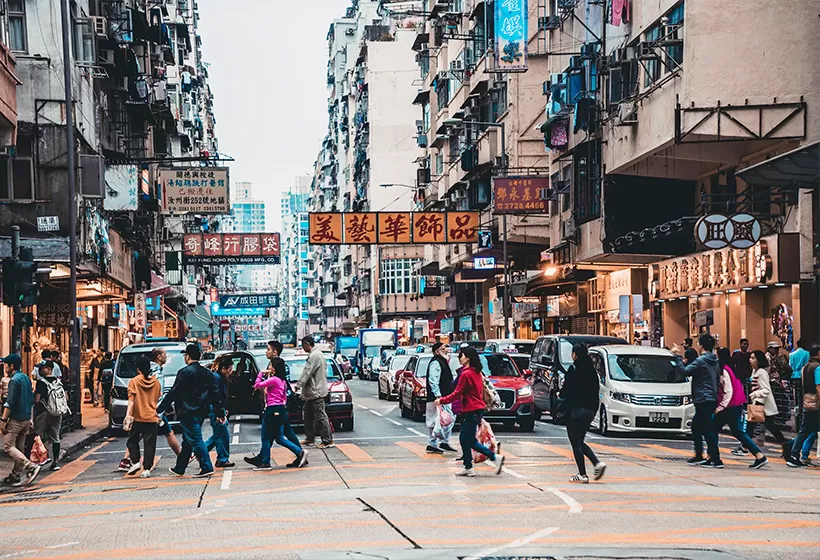
Hong Kong, often referred to simply as “Hong Kong” or “HK,” is located on the southern coast of China at the eastern side of the Pearl River Estuary, neighboring Shenzhen, Guangdong , and facing Macau across the sea. Known worldwide as a shopping paradise, Hong Kong is one of Asia’s most important ports and a major gateway connecting China with the rest of the world. Together with New York and London, it is often grouped among the world’s leading international financial centers. The city is a global hub for finance, trade, shipping, and innovation and technology, and is widely recognized as one of the most developed and dynamic regions in the Asia-Pacific.
Often called the “Pearl of the Orient”, Hong Kong officially returned to China on July 1, 1997, after more than 150 years under British administration, becoming a Special Administrative Region of China. Like Macau, Hong Kong is a remarkable blend of Chinese and Western cultures. The city preserves rich Chinese traditions while embracing international influences, creating a unique and vibrant atmosphere unlike anywhere else in the world.
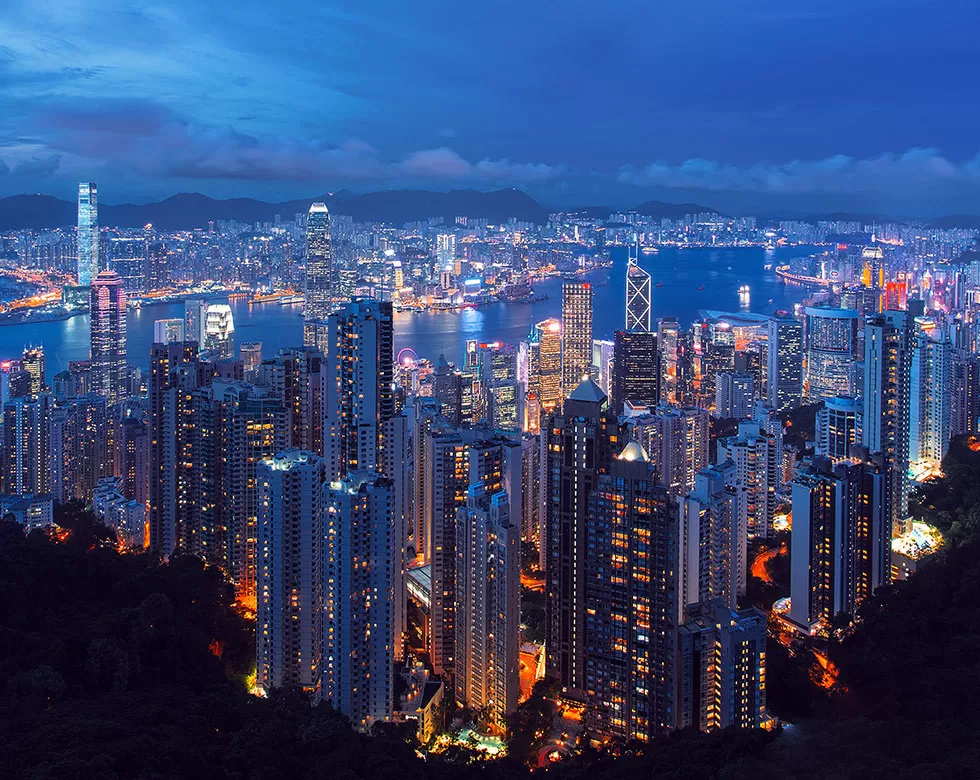
Today, Hong Kong is one of the world’s most popular travel destinations, offering dazzling modern skylines, vibrant shopping districts, historic temples and heritage sites, as well as spectacular natural scenery. Famous attractions such as Victoria Peak and the stunning night views of Victoria Harbour leave visitors with unforgettable memories.
Culture of Hong Kong
The full name of HK is Hong Kong Special Administrative Region of the Republic of China (HKSAR). HK has been a territory since the Qing Dynasty, but it had been ceded in batches and rented to England as a colony after China lost it in the middle of the 19th century, which led to the development of ports in HK. In the 1980s, China and England had an agreement on the future development of HK and signed the Sino-British Joint Declaration which specified the Republic of China would resume its rule over HK. China promised to govern the country under the policy of “one country, two systems” in which HK would maintain its capitalist regime and the previous lifestyles, and enjoy a high degree of autonomy in all areas except diplomatic affairs and defense, which was called “Hong Kong people ruling Hong Kong with a high degree of autonomy.”
After the Second World War, HK witnessed the rapid development of its economy and society of HK, not only becoming one of the Four Asian Tigers, but also one of the regions with the most advanced economy and highest living standards. HK is an important financial, service, and shipping center in Asia, famous for its government, stable public security, free economic system, and rule of law. The historical vicissitudes transformed HK from a small fishing village with only 5,000 people to an international metropolis reputed as the “Pearl of Orient” today.
Must-visit Attractions, what to visit
Hong Kong, a bustling metropolis, boasts a myriad of top attractions including the towering skyscrapers of Victoria Harbour, the dazzling skyline viewed from the Peak, the traditional markets of Temple Street and Ladies Market, the culturally significant Wong Tai Sin Temple, the picturesque fishing village of Lamma Island, the family-friendly Disneyland and Ocean Park theme parks, the historical monuments of the Big Buddha and the Ten Thousand Buddhas Monastery, and the world-renowned cuisine ranging from street food stalls to Michelin-starred restaurants.
Weather, when is best time and season to visit
The best time to visit Hong Kong is generally from October to early December or from March to April when the weather is mild and comfortable, with lower humidity and fewer rainy days. During these months, visitors can enjoy a pleasant climate and participate in various outdoor activities, such as hiking and sightseeing.
The summer months of June to August tend to be hot, humid, and rainy, with occasional typhoons. If you choose to visit during these months, be sure to bring appropriate clothing and gear for wet and humid conditions.
Although the climate is dry and slightly cold in the winter (in the middle of December to February), the average temperature is about 17 degrees Celsius. During this time, it is feasible to wear a thin sweater in Hong Kong. With the great markdowns, Hong Kong is a paradise for shopping during this time.
Food and Cuisine, what to eat
Hong Kong offers a wide range of food options that reflect its unique cultural and historical influences.
The city's cuisine is a fusion of Cantonese, Western, and Southeast Asian flavors, and visitors can expect to find delicious street food, high-end dining options, and everything in between.
Some popular dishes include dim sum, roasted meats, egg tarts, hot pot, and seafood. Hong Kong also offers a diverse selection of international cuisine, including Italian, French, Japanese, and Indian. With its vibrant food scene and culinary innovation, Hong Kong is truly a food lover's paradise.
Shopping, where and what to buy
Shopping in Hong Kong is a thrilling experience that offers a wide variety of products and services for both locals and visitors. From luxury fashion brands to unique local markets, Hong Kong has something for everyone.
The shopping culture is deeply ingrained in the city's daily life, and there are numerous shopping districts to explore. Whether you're looking for high-end designer goods or affordable bargains, Hong Kong's shopping scene has it all. With its tax-free policy, competitive pricing, and convenient location, Hong Kong remains one of the world's top shopping destinations.
Top destinations, where to visit
Hong Kong is divided into three areas including Kowloon, Hong Kong Island, and New Territories (offshore Islands are also included). Kowloon and HK Island face each other across Victoria Harbor. These two areas occupy a small land of HK but are the most populous places in HK. Tsim Sha Tsui in Kowloon and Central in HK Island, sitting at either bank of Victoria Harbor, are two economic and cultural centers as well as the most thriving places in this region.
The New Territories are seen as the periphery of HK. With a large area, it also includes many offshore islands. A lot of country parks and walking lanes are spread across New Territories. The well-known Lantau Island where Disneyland, Tsing Ma Bridge, the Monastery Buddha, and the international airport of HK also belong to New Territories. Nanya Island, Saigon, and Cheung Chau are all part of the offshore islands of New Territories.
Best Things to do in Hong Kong
Hong Kong, a vibrant international metropolis, is renowned for its stunning skyline, unique East-meets-West culture, and dynamic city life, making it an ideal travel destination. Here, you can experience the perfect blend of modern urban energy and rich cultural heritage, from breathtaking harbor views to traditional local customs.
Top things to do in Hong Kong include taking the Peak Tram to enjoy panoramic views of Victoria Harbour, riding the Ngong Ping 360 Crystal Cabin to admire the Tian Tan Buddha, cruising along Victoria Harbour, Ride the Iconic Hong Kong Tram (“Ding Ding”) and shopping in Tsim Sha Tsui.
Cultural activities that spotlight your travel
Hong Kong offers a wealth of hands-on cultural experiences that are sure to fascinate travelers. From taking a Wing Chun lesson , and trying this unique martial art, to participating in the traditional Villain-Hitting Ritual, there is no shortage of ways to immerse oneself in the city’s rich history and culture.
Whether exploring local markets, joining a fisherfolk experience on Lamma Island, attending cultural festivals, or taking a ride on the iconic Hong Kong Tramways, Hong Kong offers memorable and engaging experiences for those looking to broaden their horizons and gain a deeper understanding of its vibrant culture.
Hotels, where to stay
Hong Kong has a plethora of luxury hotels that cater to the needs of travelers looking for the ultimate comfort and indulgence. Some of the top luxury hotels in Hong Kong include the Peninsula Hong Kong, Four Seasons Hotel Hong Kong, Regent Hong Kong, The Ritz-Carlton Hong Kong, and The Disney Explorers Lodge . These hotels offer a range of amenities such as world-class restaurants, opulent spa services, breathtaking views of the city, and luxurious accommodations. Whether you're traveling for business or pleasure, a stay at one of Hong Kong's luxury hotels is sure to leave you feeling pampered and rejuvenated.
Why is the name Hong Kong
As regards the name of Hong Kong, there are two sayings throughout the region. It was said that the name is relevant to spices. In the Song and Yuan Dynasties, HK was affiliated with Dongguan, Guangdong Province in terms of administration. Beginning in the Ming Dynasty, a small port in the north of HK was a feeder port for transporting Nanyue spices which were produced in Dongguan, Guangdong province, thus the name of fragment harbor (Hong Kong). It was said that the spices shipped in HK had superior quality and were called the “Treasures of Hainan.” Many local people of HK were engaged in planting spices so HK became famous for its spices. Soon, this kind of spice was listed as one of the tributes to the emperor, which prospered the industry of spice manufacturing and shipping. Then the plantation and transportation of spices gradually decreased, but the name remained.
The second saying is that HK is a natural harbor with sweet stream water nearby where sailors used to come to drink water. After a long time, as the sweet stream water rose to fame, the stream was called “fragment river,” this river flew into the sea and formed a small alluvial harbor and since then it was called “Hong Kong.” Many British people named this island “HK” as they disembarked at this harbor when they went to HK Island. Until today, “Fragment River” (香江) is still another name for “Hong Kong.”
Although there are different sayings to explain the name that was given to Hong Kong, it is almost certain that this name first appeared in Ming Dynasty. It referred to a small harbor, and village and then was used to describe the whole island (HK island). In the early 19th century, it was known as the name of the entire area occupied by British colonizers.
Travel itineraries for Hong Kong, how to plan a trip
Hong Kong is a popular tourist destination that offers a unique blend of East and West. Visitors can enjoy the city's famous skyline, delicious food, and rich culture.
When planning a trip to Hong Kong, it is important to consider factors such as the best time to visit, accommodation options, transportation, and attractions to see. By taking these into account and making the appropriate travel arrangements, visitors can have a memorable and enjoyable trip to Hong Kong.
- Day1: Arrive in Hong Kong, head to Victoria Peak and Take the tram up to the top for panoramic views of the city. Afterward, stroll along the waterfront at Tsim Sha Tsui and enjoy the vibrant harbor scenery.
- Day2: Explore Lamma Island, where visitors can enjoy the sea, observe marine life, and visit a local fishing village, with family-friendly activities such as touching starfish and feeding rays and groupers. In the evening, take a harbor cruise on Victoria Harbour.
- Day3: Start your day at Hong Kong Disneyland, one of the most family-friendly attractions in the city. Ride the iconic Hong Kong Tramways, also known as the “Ding Ding,” for a fun and nostalgic journey through the city.
- Depart Hong Kong with wonderful family memories.
- All the itinerary are flexible. Just contact us, please. We would be honored to customize a perfect, personalized itinerary specifically for you.
- Travel itineraries for Hong Kong in details >>
Hong Kong and Macau are conveniently located close to each other, with easy transportation connections. Whether traveling via the Hong Kong–Zhuhai–Macau Bridge or by ferry, the journey takes only about an hour. Visitors can easily combine the two destinations in one trip and experience Macau’s unique Portuguese heritage and historic charm alongside Hong Kong’s vibrant modern atmosphere.
Travel itineraries for Hong Kong and Macau in details >>
Customize Your Authentic Hong Kong Tour
If you are interested in the Hong Kong itineraries mentioned above, please contact us, and we will be happy to customize it and provide a quote tailored to your preferences.
Alternatively, if you would like to customize your Hong Kong Tour, please visit our Hong Kong Tour Customized Center. We assure you that you will receive a reply within 24 working hours.
You might also like the following helpful information about Hong Kong
 Victoria Harbour
- When is the best time or season to visit Hong Kong
- Top attractions you might like in Hong Kong
- Choose your food and restaurants while traveling in Hong Kong
- Do not know where to stay? Visit the best hotels in Hong Kong
- To know more about Hong Kong, visit its culture
- Travel itineraries: itineraries for your reference
- Abundant activities: Hong Kong cultural immersions
- Unique perspective: top interesting things to do
- Top destinations: best places to visit in Hong Kong
- What to buy and where to shop in Hong Kong?
- Enjoy an interesting and colorful nightlife
- Bank and currency, help you save money

GREAT FAMILY CHINA TOUR
JULY 2024 We wanted to thank Grace at China Culture tour for organizing a great tour of China. We enjoyed our Beijing - Xian-Chengdu -Guilin -Yangshuo - Shanghai trip. Our local guides Bruce in Beijing, Susan in Xian, Jane in Chengdu, Mike in Guilin and Mary in Shanghai took care of us…read more details »
Teng Han L from SINGAPORE
Ready to Create a Unique Dream Travel?