

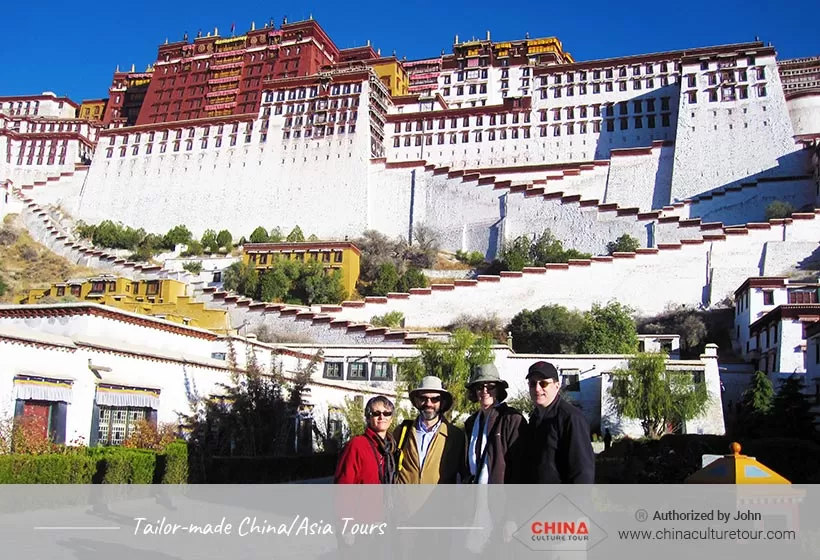
Tibet Travel Guide: Attractions, Weather, Itinerary, Hotels, Food, etc.
Tibet Autonomous Region, also known as the “Roof of the World” is located in China’s southwestern, bordered by Xinjiang Uyghur Autonomous Region and Qinghai Province to the north, Yunnan Province and Sichuan Province to the east and southeast, and Myanmar, India, Bhutan, Nepal and Kashmir to the south and west, with a national boundary of about 3,842 km.
Why Tibet
Unique culture and history: Tibet has a rich cultural and religious history that is distinct from other regions in the world. Its unique blend of Buddhism, Bon, and traditional practices is fascinating to explore and learn about.
Stunning natural scenery: Tibet is home to some of the world's most breathtaking natural landscapes, including the Himalayan Mountains, the Tibetan Plateau, and numerous lakes and rivers.
Adventure and outdoor activities: For those who love adventure and outdoor activities, Tibet offers plenty of opportunities for trekking, hiking, mountaineering, and other outdoor pursuits.
Spiritual and religious pilgrimage: Tibet is considered a holy land by many Buddhists and is home to many important religious sites, such as the Potala Palace, Jokhang Temple, and Mount Kailash. Many people choose to travel to Tibet for spiritual and religious reasons.
Unique local customs and lifestyle: The lifestyle and customs of the Tibetan people are unlike any other in the world. Visitors can learn about traditional Tibetan clothing, food, music, and dance, and experience the warmth and hospitality of the local people.
Culture, tradition in Tibet
 Tibetan Buddhism
Tibetan indigenous culture originally evolved through the gradual fusion of Tubo culture and ancient Zhangzhung culture, and influenced by Chinese Han culture. Led by the uniquely distinctive Tibetan Buddhism, Tibetan architecture, sculpture, painting, decoration, language and script, as well as Tibetan medicine and pharmacology, have all reached remarkable heights.
Attractions, what to visit
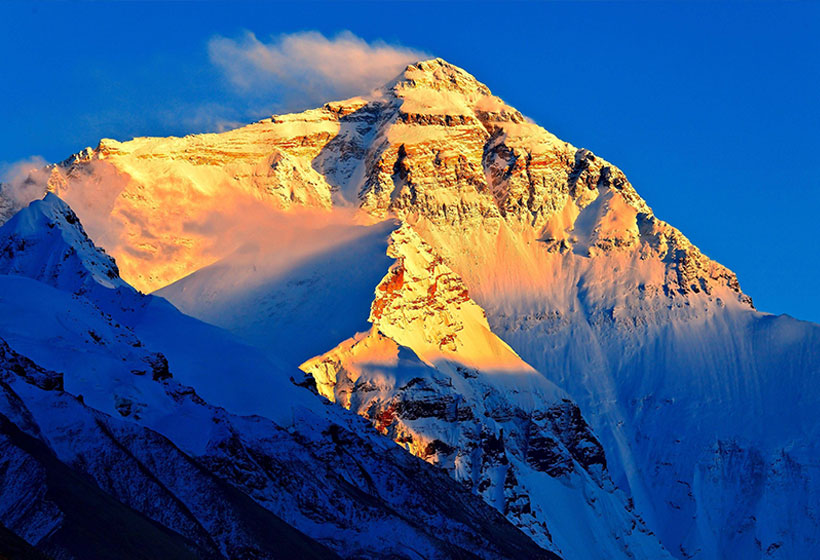 Mount Everest
Nestled within the soaring Himalayan mountains and characterized by its stunning natural beauty, rich cultural heritage, and spiritual significance, Tibet, also known as the "Roof of the World," boasts a plethora of attractions that captivate travelers from around the globe, including ancient temples and monasteries, breathtaking lakes and glaciers, picturesque valleys and meadows, and unique cultural experiences that offer a glimpse into the traditional way of life of its friendly and hospitable people.
Local food and restaurants
Tibetan cuisine is known for its use of highland barley, yak meat, and butter tea. Some popular Tibetan dishes include momos (dumplings filled with meat or vegetables), thukpa (a noodle soup), and tsampa (roasted barley flour). Some famous restaurants in Tibet include "Makye Ame" in Lhasa and "Sumptuous Tibetan Restaurant" in Shigatse.
More about Tibet food and restaurants >>
Interesting hands-on cultural activities and outdoor adventures
Some top hands-on cultural activities and outdoor adventures to experience in Tibet include visiting ancient monasteries and temples such as the Potala Palace and Jokhang Temple, exploring local markets and trying traditional Tibetan food, trekking through stunning landscapes like the Everest Base Camp and the Mount Kailash Kora, participating in spiritual rituals like the Saga Dawa Festival and butter lamp offerings, and immersing oneself in the unique Tibetan way of life by staying with local families and learning about their traditions and customs.
Top activities and adventures in Tibet >>
Hotels in Tibet, where to stay
The St. Regis Lhasa Resort offers an unforgettable luxury experience with breathtaking views of the Himalayas, while the Shangri-La Hotel Lhasa provides a tranquil oasis in the heart of the city with world-class amenities and exceptional service, and the Songtsam Choskyi Linka Lhasa offers a mix of contemporary elegance and traditional Tibetan design elements, giving visitors the feeling of walking through the ancient Barkhor Street.
Tibet weather, the best time to visit
The best time to visit Tibet is generally from May to October, during the warmer and drier months when temperatures are comfortable and the skies are clear, although visitors should be aware that temperatures can still drop significantly at night, and altitude sickness is a common concern due to Tibet's high elevation.
More about the best time to visit Tibet >>
How to plan the best Tibet itinerary
Embark on an unforgettable journey to Tibet, exploring the rich cultural heritage and breathtaking natural wonders of this ancient land, starting with a visit to the iconic Potala Palace in Lhasa before traveling through the majestic Himalayan mountains to experience the stunning beauty of Yamdrok Lake and Mt. Everest, and concluding with a visit to the mystical city of Shigatse and the historic Tashilhunpo Monastery.
Customize Your Unique Tibet Tour

Alternatively, if you would like to customize your Tibet tour, please visit our Tibet Tour Customized Center. We assure you that you will receive a reply within 24 working hours.
Informative Articles for Your Tibet Trip
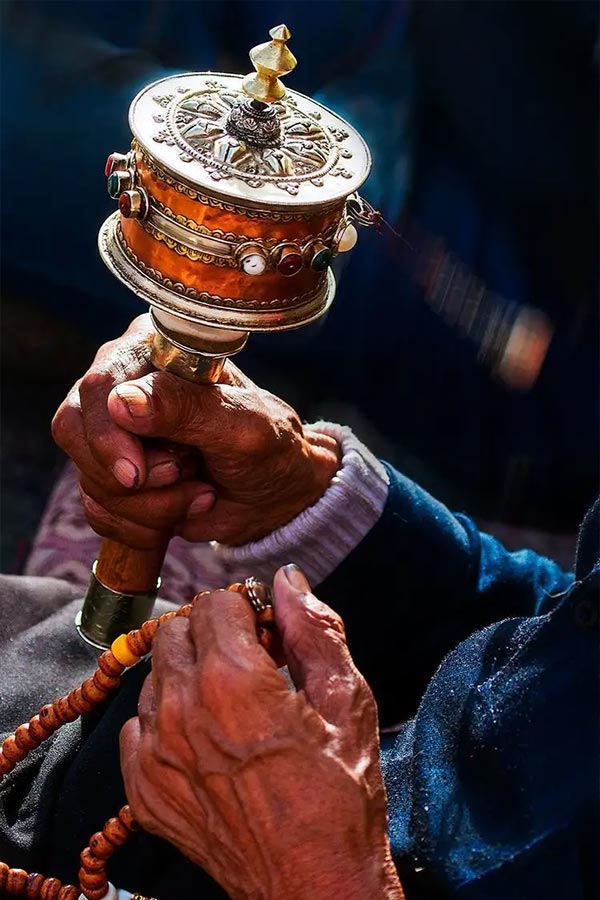 Prayer wheel, Tibet
- Tibet Travel Guide: attractions, weather, food, culture, tours, etc.
- Tibetan Culture: rich and unique
- Travel itinerary: various itineraries for your reference
- Weather: the best time and seasons to visit Tibet
- Attraction: well-selected top attractions
- Activities: Tibetan cultural immersions
- Where to Visit: top places to visit in Tibet
- Unique Perspective: top things to do in Tibet
- Food and Restaurants: what and where to eat while traveling in Tibet
- Accommodation: handpicked hotels for you
- Tibet Tours: tailor-made Tours for your reference

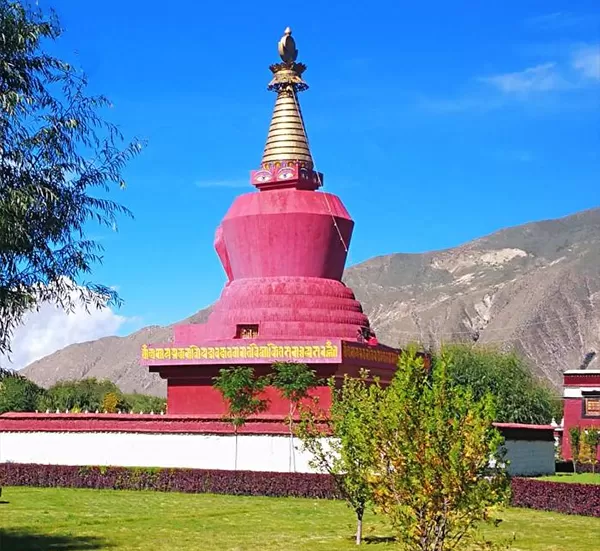

GREAT FAMILY CHINA TOUR
JULY 2024 We wanted to thank Grace at China Culture tour for organizing a great tour of China. We enjoyed our Beijing - Xian-Chengdu -Guilin -Yangshuo - Shanghai trip. Our local guides Bruce in Beijing, Susan in Xian, Jane in Chengdu, Mike in Guilin and Mary in Shanghai took care of us…read more details »
Teng Han L from SINGAPORE
Ready to Create a Unique Dream Travel?